From Religious Tests to Birthright Citizenship: The GOP's Constitution Problem
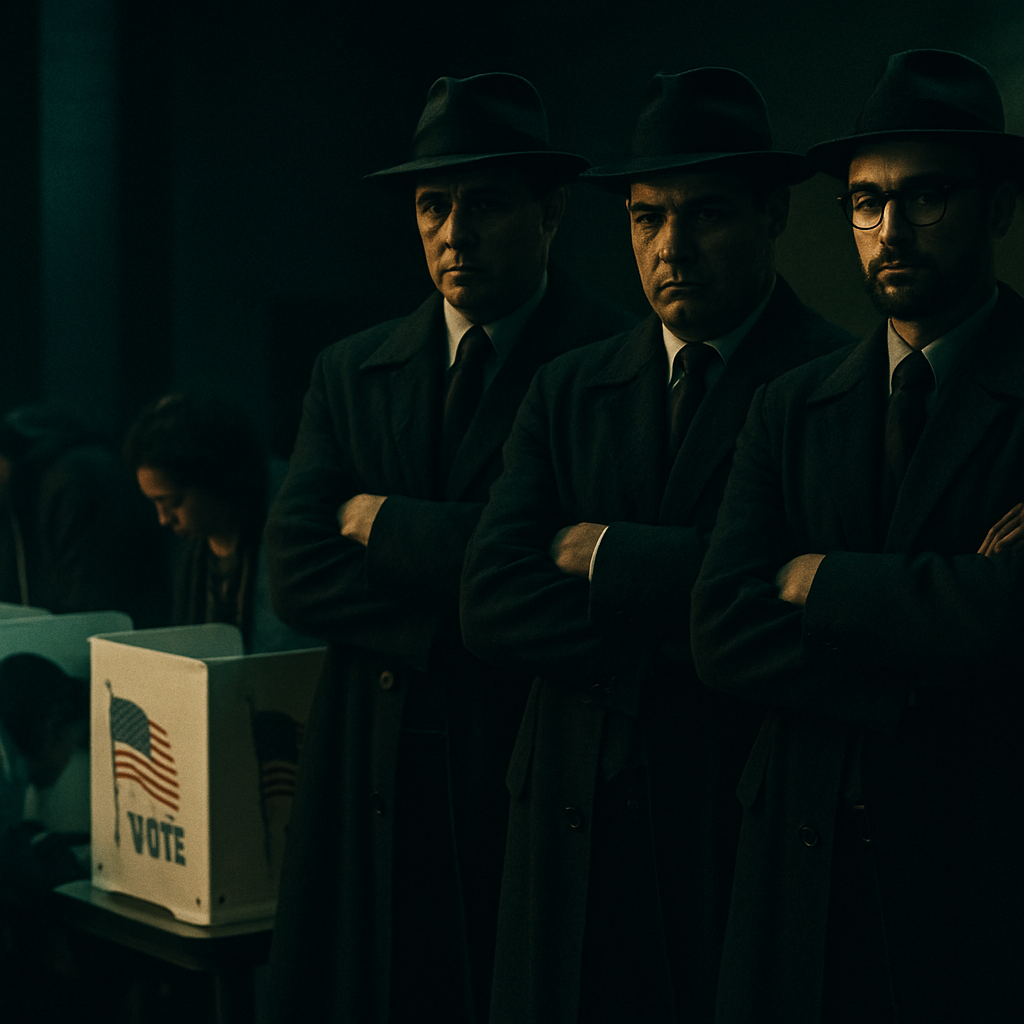
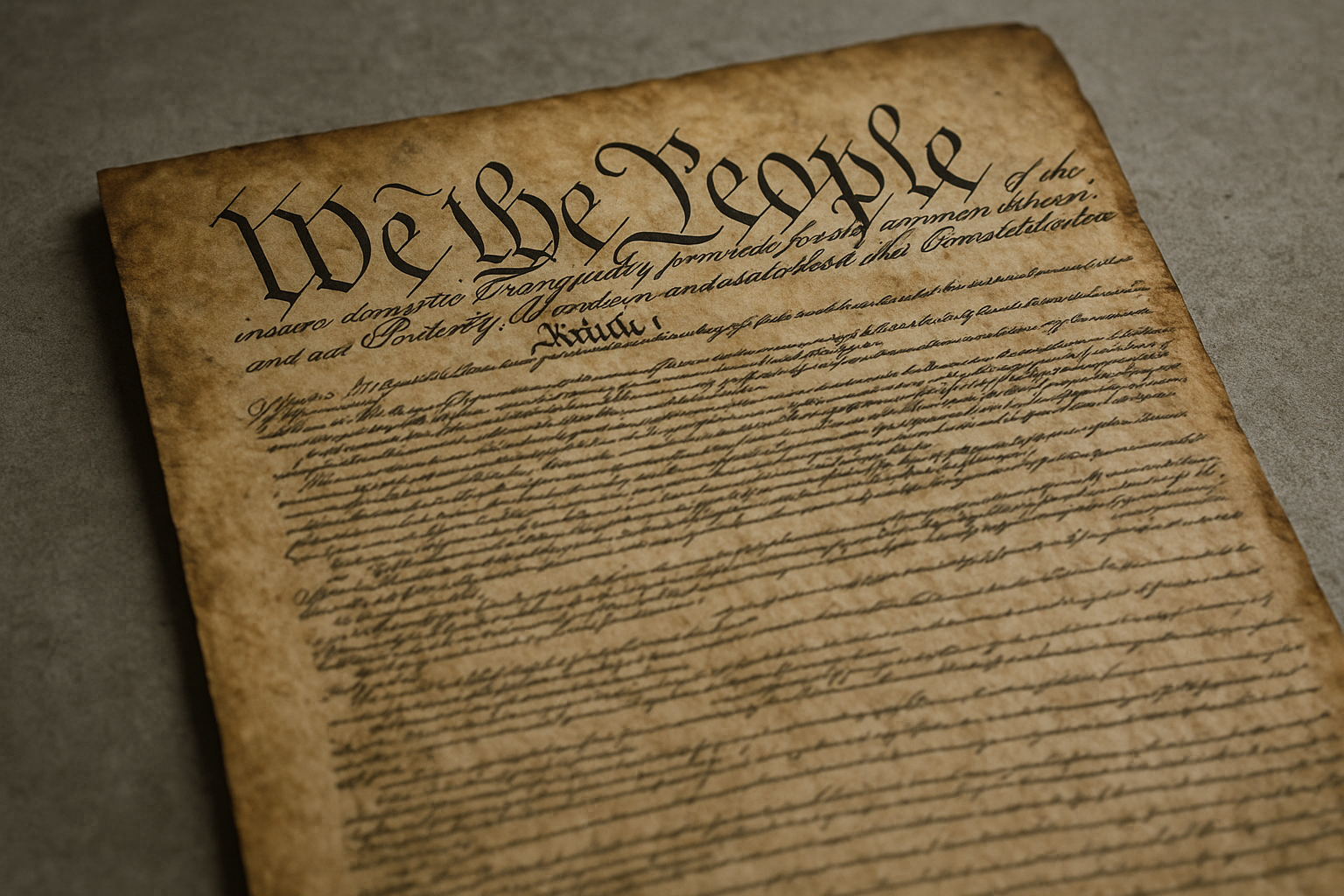
When Representative Nancy Mace declared on X that "every single Muslim holding public office in America is a trojan horse, and a threat to both national security and our republic," she wasn't just posting through a bad news cycle. She was proposing, in plain language, a religious test for public office — the one thing the Constitution's original, unamended text explicitly forbids. Article VI is not subtle about it: "no religious Test shall ever be required as a Qualification to any Office or public Trust under the United States."
Mace got the civics lesson on live television. Pressed by CNN's Omar Jimenez on Sunday about whether she believed every Muslim was a threat to the country, the South Carolina congresswoman — who finished fifth in her state's gubernatorial primary and leaves office in January — pivoted to attacks on New York City Mayor Zohran Mamdani and Michigan Democratic Senate candidate Abdul El-Sayed, warned that "our granddaughters" would one day wear "burqas to school," and complained about hearing the Islamic call to prayer in Dearborn, Michigan. Jimenez responded by reading her the founding documents: the First Amendment protects the free exercise of religion, and Article VI bars any religious test for office. Mace's answer — that Muslims could practice their faith "in the privacy of their homes" but not on American streets — is not a position the First Amendment permits an officeholder to enforce. Even Fox News noted the bipartisan hammering that followed.
If this were one lame-duck member of Congress freelancing, it would be a story about Nancy Mace. It isn't. It's a story about a party whose leading figures keep treating constitutional rights as suggestions — and keep getting told otherwise by the courts, including a Supreme Court with a six-justice conservative majority.
The Fourteenth Amendment: struck down 6–3
Start with the biggest example. On his first day back in office, President Trump signed Executive Order 14160, directing the executive branch to stop recognizing the citizenship of children born in the United States to undocumented parents or temporary visa holders. The Fourteenth Amendment's Citizenship Clause has guaranteed birthright citizenship since 1868. On June 30, 2026, the Supreme Court struck the order down 6–3 in Trump v. Barbara, with Chief Justice Roberts writing that the clause guarantees citizenship to nearly all individuals born on U.S. soil regardless of their parents' status. The administration did not stumble into a novel legal question; it attempted to erase a constitutional guarantee by executive memo, and it took a year and a half of litigation to stop it.
The Fifth Amendment: deportation without a hearing
The administration's invocation of the Alien Enemies Act to rapidly deport alleged Venezuelan gang members — without court hearings — was likewise halted by the Supreme Court, which recognized what the Fifth Amendment has always required: due process before the government takes your liberty. The libertarian Cato Institute — no left-wing outfit — has tallied 28 separate instances in which courts found the administration's immigration enforcement violated the Constitution, spanning the First, Fourth, Fifth, Tenth, and Fourteenth Amendments, including attempts to deport U.S.-born American citizens.
Ignoring the courts themselves
Constitutional limits only work if officials respect the rulings that enforce them. In June, the Supreme Court ruled that Trump could not fire Federal Reserve Governor Lisa Cook, finding the government denied her the protections she was entitled to by statute. Last week the White House sent Cook a letter announcing it is "considering" removing her again over the same mortgage-fraud allegations her lawyers call "as baseless now as they were a year ago." The ruling came down; the campaign to oust her simply restarted.
Or consider the Lincoln Memorial Reflecting Pool case, where the Justice Department charged former Olympian David Hearn with felony vandalism, then admitted in a court filing that its own witness "could not identify any additional cost caused by Mr. Hearn's alleged conduct." A judge threw out the charges. The president continued to insist, on social media, that the debunked allegations were true. A federal prosecution sustained by the president's say-so after the evidence collapsed is precisely the abuse the Bill of Rights was written to prevent.
A pattern, not a coincidence
Each episode has its own facts, but they rhyme. A religious test proposed on social media. A constitutional amendment overridden by executive order. Deportations designed to outrun the courtroom. A Supreme Court ruling treated as a speed bump. A prosecution kept alive by presidential grievance rather than evidence.
The response from Mace's Republican colleagues to her "trojan horse" post has been, so far, largely silence — condemnation has come almost entirely from Democrats like Representative Pramila Jayapal. That silence is the tell. A party that reveres the Constitution would find it easy to say that Article VI means what it says. A party that treats the Constitution as a branding exercise finds it easier to say nothing.
The Constitution's guarantees — free exercise, due process, citizenship by birth, an independent judiciary — were designed to be inconvenient to people in power. The measure of whether an official actually believes in them is what they do when the document gets in their way. On the current record, from a lame-duck congresswoman's religious test to a president's serial losses in federal court, the answer keeps coming back the same.